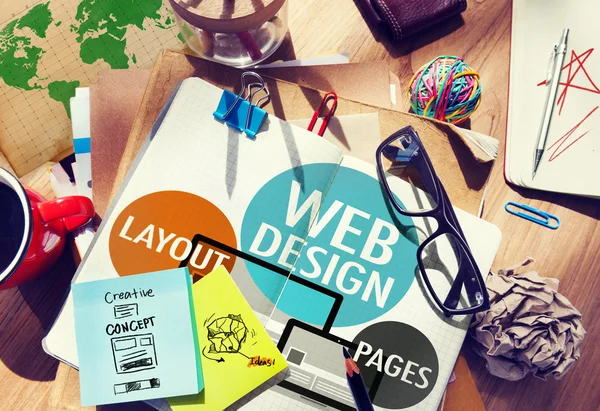
Creative web design services encompass the conceptualization, design, and development of visually stunning and user-centric websites tailored to meet the unique needs of each client. Through a combination of artistic flair and technical expertise, creative web designers craft compelling visual identities that reflect the brand's personality and values.
User experience (UX) design principles are integrated to ensure seamless navigation and intuitive interactions, optimizing the overall usability and engagement of the website. Responsive design techniques are employed to ensure that websites are accessible and visually appealing across various devices and screen sizes. Ultimately, creative web design services aim to create impactful online experiences that captivate audiences, drive conversions, and elevate the brand's online presence.
We think big and have hands in all leading technology platforms to provide you wide array of services.
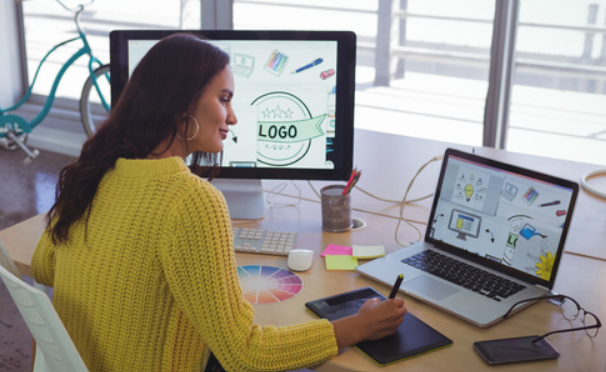
The creation of visually compelling materials that effectively communicate messages and ideas. From logos and branding to marketing collateral and digital assets, graphic designers use their creativity and technical skills to produce impactful designs that resonate with clients and their target audience.

Responsive web design involves creating websites that adapt and respond to various screen sizes and devices, providing an optimal viewing experience for users across desktops, laptops, tablets, and smartphones. It ensures that websites are accessible, user-friendly, and visually appealing on all devices.

Static website designing is creating web pages with fixed content that remains unchanged unless manually updated by a web developer.While static websites are easy to build and cost-effective, they are best suited for businesses/ individuals who require a basic online presence with minimal updates.

Dynamic websites are highly interactive and can support features such as user logins, content management systems (CMS), e-commerce functionality, and real-time updates. They are ideal for businesses or organizations that require frequent content updates, personalized user experiences, or advanced functionality on their websites.
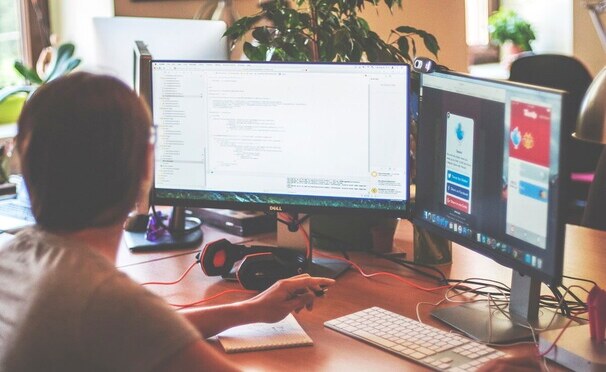
PSD to HTML service involves converting a Photoshop Design (PSD) file into a functional HTML web page. The result is a web page that mirrors the visual design of the PSD file, making it suitable for use on the web. This service is often used to create custom-designed websites that accurately reflect the client's visual preferences and branding.

Website redesign service involves overhauling and updating an existing website to improve its design, functionality & user experience. Website redesign aims to modernize and refresh the website to better meet the needs of both the business and its users, ultimately improving engagement, conversion rates, and overall performance.
Want to kick start your project right now?
Request a proposalOur design process follows a proven approach. We begin with a deep understanding of your needs and create a planning template.
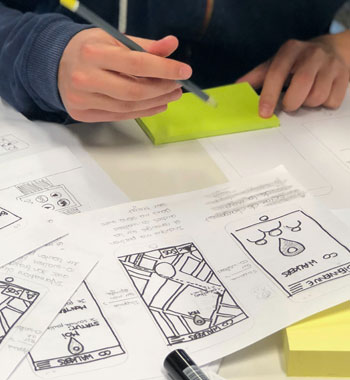
Requirement gathering is the initial phase of a project where stakeholders collaborate to identify, document, and prioritize the needs and expectations for the project's deliverables. Requirement gathering methods may include interviews, surveys, workshops, and document analysis, with the goal of capturing comprehensive and accurate requirements that will guide the project's development and implementation. Effective requirement gathering is essential for ensuring that the final deliverables meet stakeholders' needs and expectations while minimizing the risk of misunderstandings or scope creep during the project lifecycle.
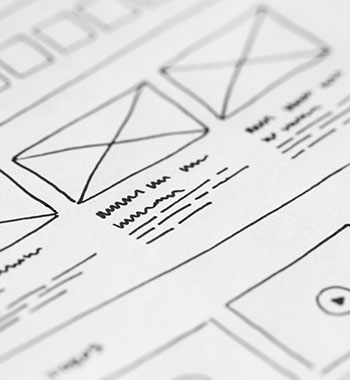
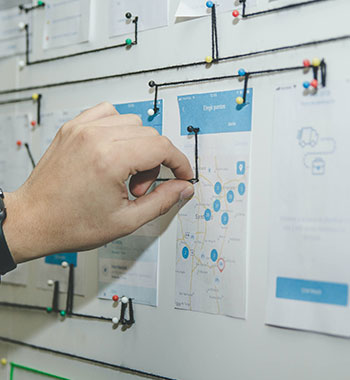
A prototype is a preliminary version or mockup of a product, system, or application that is created to test and validate its design, functionality, and usability before proceeding with full-scale development. Prototypes can take various forms, including sketches, wireframes, mockups, or interactive prototypes, depending on the complexity of the project and the specific goals of the prototyping phase. The primary purpose of prototyping is to gather feedback from stakeholders, users, or testers early in the development process, allowing for iterations and refinements to be made to the design and functionality before committing to final development.
Deployment refers to the process of making a software application or system available for use by its intended users. It involves transferring the developed software from the development environment to the production environment, where it can be accessed and utilized by end-users.Deployment can be automated using tools and techniques such as continuous integration/continuous deployment (CI/CD) pipelines, which streamline the process and reduce manual effort. Effective deployment practices are crucial for ensuring that software is delivered efficiently, reliably, and securely to end-users.
Support and maintenance refer to the ongoing activities aimed at ensuring the smooth operation, stability, and reliability of a software application or system after it has been deployed. These activities are essential for addressing issues, implementing updates, and improving the software over time to meet changing user needs and requirements.Effective support and maintenance practices are critical for ensuring the long-term success and sustainability of software applications, as they help maintain user satisfaction, minimize downtime, and maximize the value of the software investment over its lifecycle.